
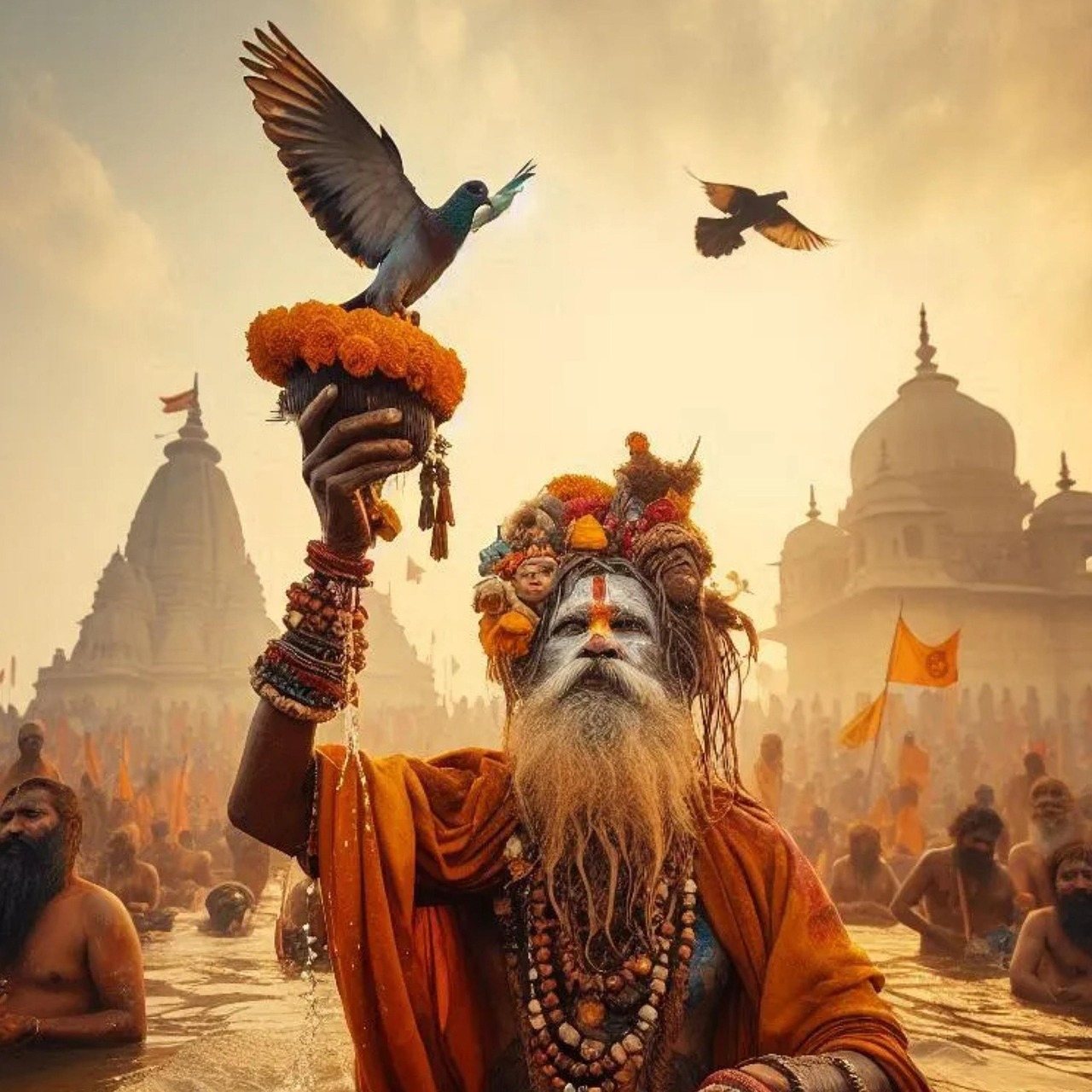
India is a country of dramatic contrasts — from the freezing Himalayan passes to the tropical beaches of Goa, from the scorching Thar Desert to the monsoon-drenched hills of Kerala. Packing for India requires careful thought, but with the right preparation you'll be perfectly equipped for whatever the subcontinent throws at you.
The key principle for India packing is versatile layering. Rather than bringing one heavy coat, bring several lightweight layers that can be combined or removed as conditions change. India's transportation infrastructure means you'll often be carrying your bags yourself, so keeping weight to a minimum is a genuine priority.
Clothing
India's dress standards are more conservative than most Western countries, particularly outside the tourist resorts of Goa and the cosmopolitan cities. Modest clothing is both culturally respectful and practically necessary — many temples and religious sites refuse entry to visitors in shorts or sleeveless tops.
Hot & Tropical Regions
- Lightweight cotton or linen shirts (loose-fitting)
- Long trousers or cotton salwar (for temples)
- Light cotton dress or skirt (below knee)
- Breathable walking sandals
- Wide-brimmed sun hat
- Light scarf/dupatta (temple modesty + sun protection)
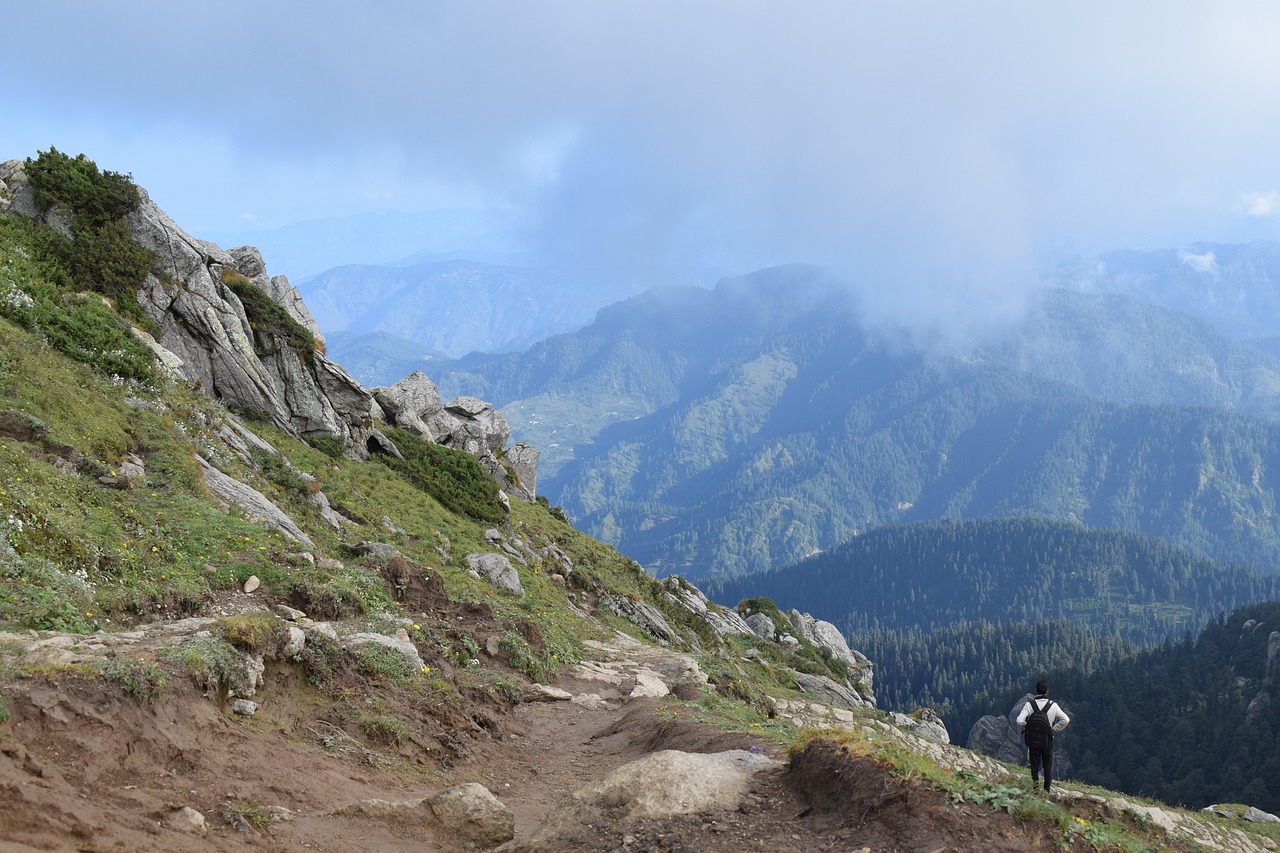
Himalayan & Cool Regions
- Fleece mid-layer jacket
- Lightweight down or synthetic puffer jacket
- Thermal base layers (top & bottom)
- Waterproof outer shell jacket
- Sturdy trekking boots (broken in)
- Warm hat and gloves
Electronics
- Travel adapter: India uses Type D (3 round pins) and increasingly Type C (EU 2 pin). Bring a universal adapter.
- Power bank: Essential for long journeys. 20,000mAh minimum recommended.
- Unlocked smartphone: Get a local SIM at the airport (Airtel or Jio) — excellent 4G coverage at low cost.
- Camera: India is extraordinarily photogenic. Bring more memory cards than you think you'll need.
- Offline maps: Download Google Maps or Maps.me for regions you'll visit — invaluable when internet is poor.
- Headphones: Noise-cancelling headphones transform long train journeys.
- Torch/headlamp: Power cuts are common in smaller towns. Always have a reliable torch.
- E-reader: Lighter than books and you'll have hours of reading time on Indian trains.
Documents
First Aid Kit
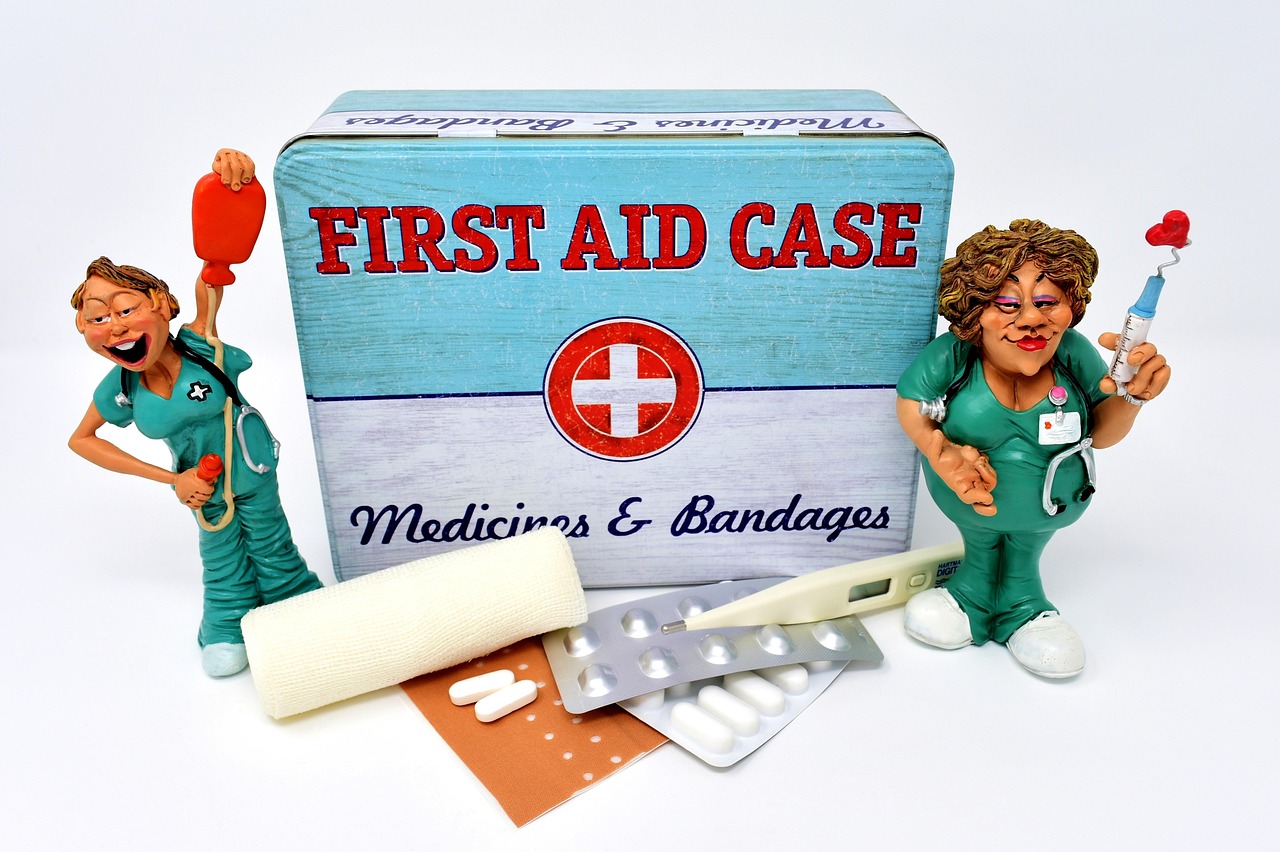
India has good pharmacies in cities, but you may be far from one when you need it most. Bring a basic medical kit:
- Oral rehydration salts (essential for stomach bugs)
- Imodium / loperamide (traveller's diarrhoea)
- Antihistamines (allergic reactions, insect bites)
- Paracetamol and ibuprofen
- Antacids and indigestion tablets
- High-factor sunscreen (SPF 50+)
- DEET insect repellent (50%+ concentration)
- Water purification tablets or portable filter
- Wound dressings and antiseptic wipes
- Prescription medications (bring extra supply)
Essential Items Checklist
Ready to Pack for India?
Browse our India tour packages and start planning your adventure today.
Explore India Tours