
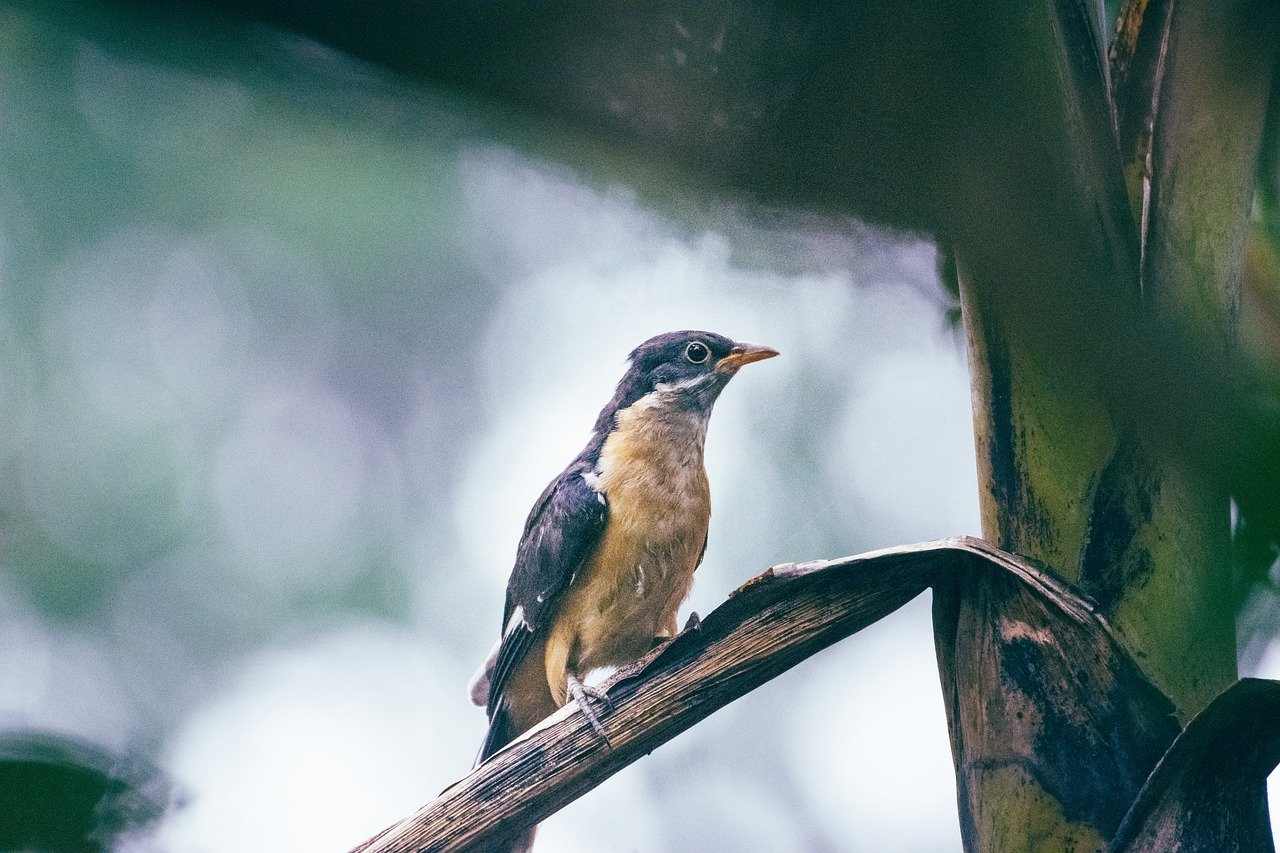
India is a vast country spanning over 3,000 kilometres from north to south, encompassing tropical jungles, scorching deserts, Arctic-altitude Himalayan passes and everything in between. There is no single "best time" to visit India — it depends entirely on where you want to go and what you want to do.
The key to planning is understanding India's four main seasons and how they affect different regions. The short answer: for most of India, October to March offers the most comfortable temperatures and minimal rainfall, making it the peak tourist season. But there are excellent reasons to visit at other times too — as long as you know what to expect.
Winter: October – February
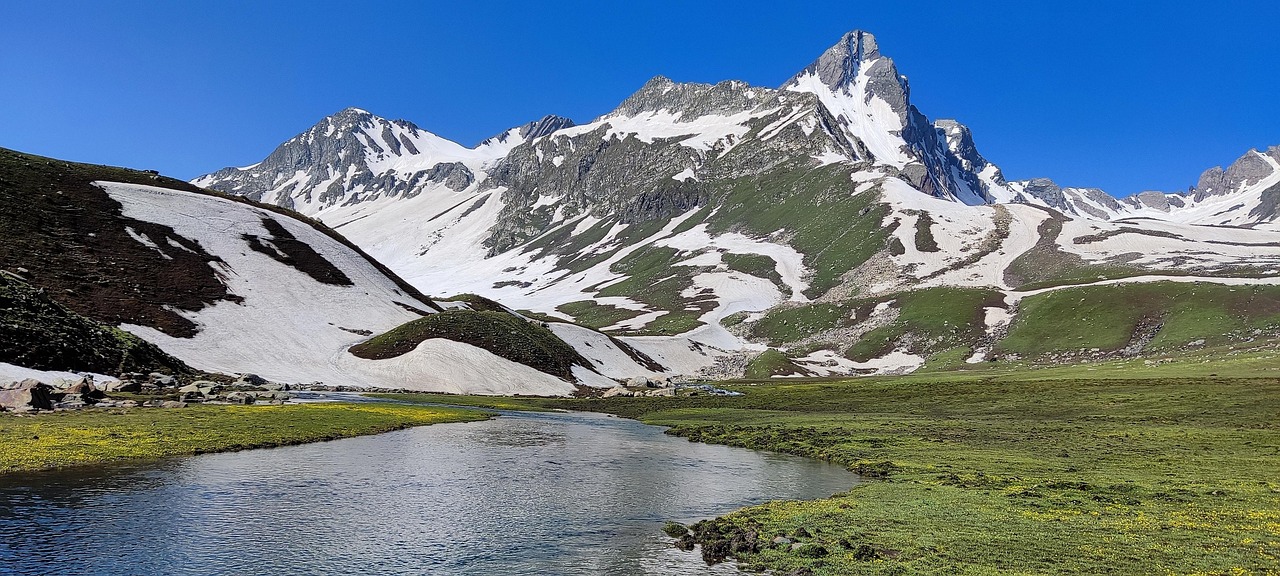
The verdict: Best overall season for most of India. After the monsoon ends in September/October, India enters its most comfortable and beautiful period. Skies are clear, temperatures are pleasant (15–30°C across most of the country) and the landscape is at its greenest following the rains.
- Golden Triangle (Delhi/Agra/Jaipur): Perfect — cool, clear days
- Rajasthan: Ideal — comfortable desert days, cold nights
- Goa & South India: Excellent beach weather
- Kerala: Perfect — dry season, comfortable temperatures
- Himalayas: Snow closes high passes — best for lower treks only
Spring: March – April
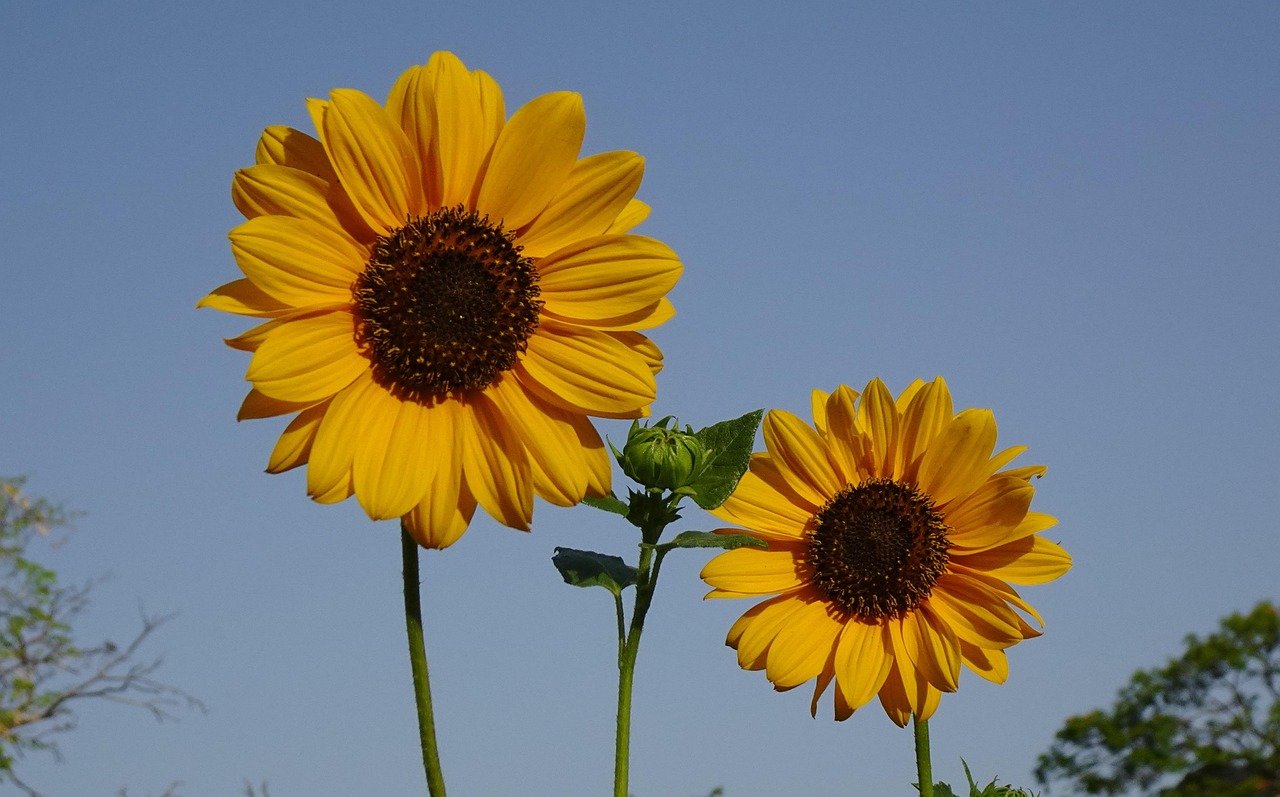
Verdict: Good with caveats. March is still excellent — warm but not yet brutal. April sees temperatures begin to climb sharply across the plains of North India (30–40°C in Rajasthan and Delhi by late April). Spring is ideal for the Himalayas as snow begins to melt and trekking routes open.
Best Spring Destinations
- Himachal Pradesh (Manali, Dharamshala)
- Uttarakhand (Rishikesh, Jim Corbett)
- Darjeeling & Northeast India
- South India (still pleasant before heat)
Spring Festivals
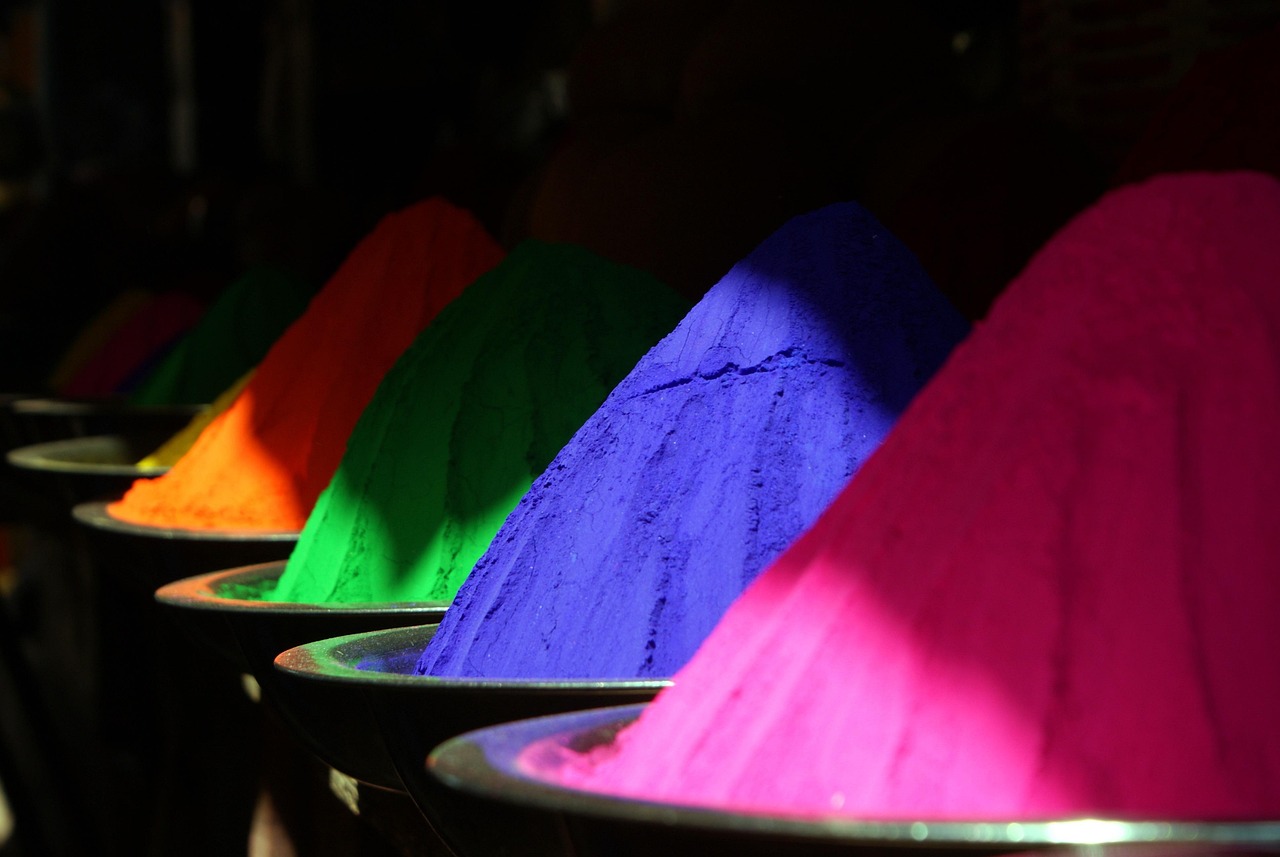
- Holi (Mar) – Vibrant festival of colours
- Baisakhi (Apr) – Harvest festival, Punjab
- Elephant Festival (Mar) – Jaipur
Summer: May – June
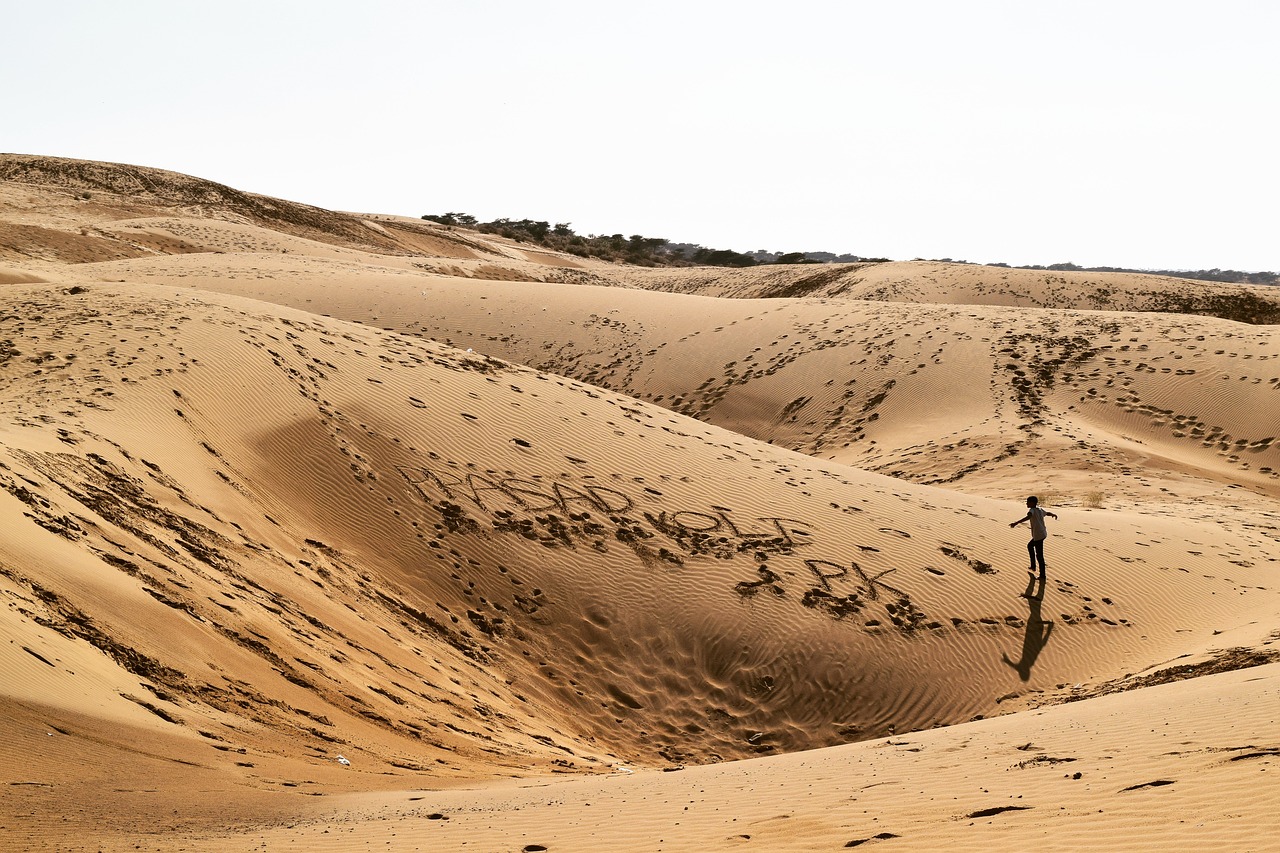
Verdict: Avoid plains; head to the hills. Indian summers (May–June) are brutal across the plains — temperatures of 40–48°C are common in Delhi, Rajasthan and Agra. However, this is peak season for Himalayan trekking (Ladakh, Zanskar, Spiti) and the hill stations of Shimla, Manali, Ooty and Munnar are refreshingly cool.
Monsoon: July – September
Verdict: Challenging but magical for the right destinations. The Southwest Monsoon brings heavy rainfall to most of India from July to September. It cools temperatures dramatically (a genuine relief after the furnace of June), turns the landscape lush and vibrant green, and dramatically reduces tourist numbers — meaning lower prices and less crowding.
Monsoon Gems
- Kerala backwaters (lush, peaceful, uncrowded)
- Rajasthan (dramatically reduced prices)
- Goa (low prices, emptier beaches, lush green)
- Northeast India (waterfalls at their peak)
Avoid Monsoon
- Mumbai (heavy flooding, very disruptive)
- Himalayan roads (landslide danger)
- Ranthambore (park closed Jul–Sep)
- Any coastal areas during cyclone warnings
Quick Seasonal Reference
| Destination | Best Season | Avoid |
|---|---|---|
| Delhi / Golden Triangle | Oct – Mar | May – Jun (extreme heat) |
| Rajasthan | Oct – Mar | May – Jun (up to 48°C) |
| Kerala | Oct – Feb | Jun – Aug (heavy monsoon) |
| Goa | Nov – Feb | Jun – Aug (monsoon beach closure) |
| Himalayas (Trekking) | May – Jun, Sep – Oct | Jul – Aug (landslides), Dec – Feb (snow) |
| Ladakh | Jun – Sep | Oct – May (heavy snow) |
| Varanasi | Oct – Mar | May – Jun (extreme heat) |
| Ranthambore | Oct – Jun | Jul – Sep (park closed) |
| Tamil Nadu | Nov – Feb | Oct – Nov (northeast monsoon) |
Best overall • Cool & dry
Good • Warming up
Hills only • Very hot plains
Monsoon • Green & cool
Plan Your India Trip
Not sure when to go? Contact our India specialists and we'll advise the perfect timing for your chosen itinerary, destinations and interests.
Ask an Expert Browse Tours