
Overview
India welcomes millions of international visitors each year. Preparing the right documents in advance ensures a smooth, stress-free arrival.
India has clear entry requirements that all international travellers must meet. These cover passport validity, visa requirements, health documentation and customs regulations. While the process is generally straightforward, it is essential to check the requirements for your specific nationality well in advance of your trip.
The following guide provides a comprehensive overview of India's entry requirements as of the current date. Requirements can change, so we always recommend verifying the latest information with the Indian Ministry of External Affairs or your nearest Indian Embassy.
Passport Requirements
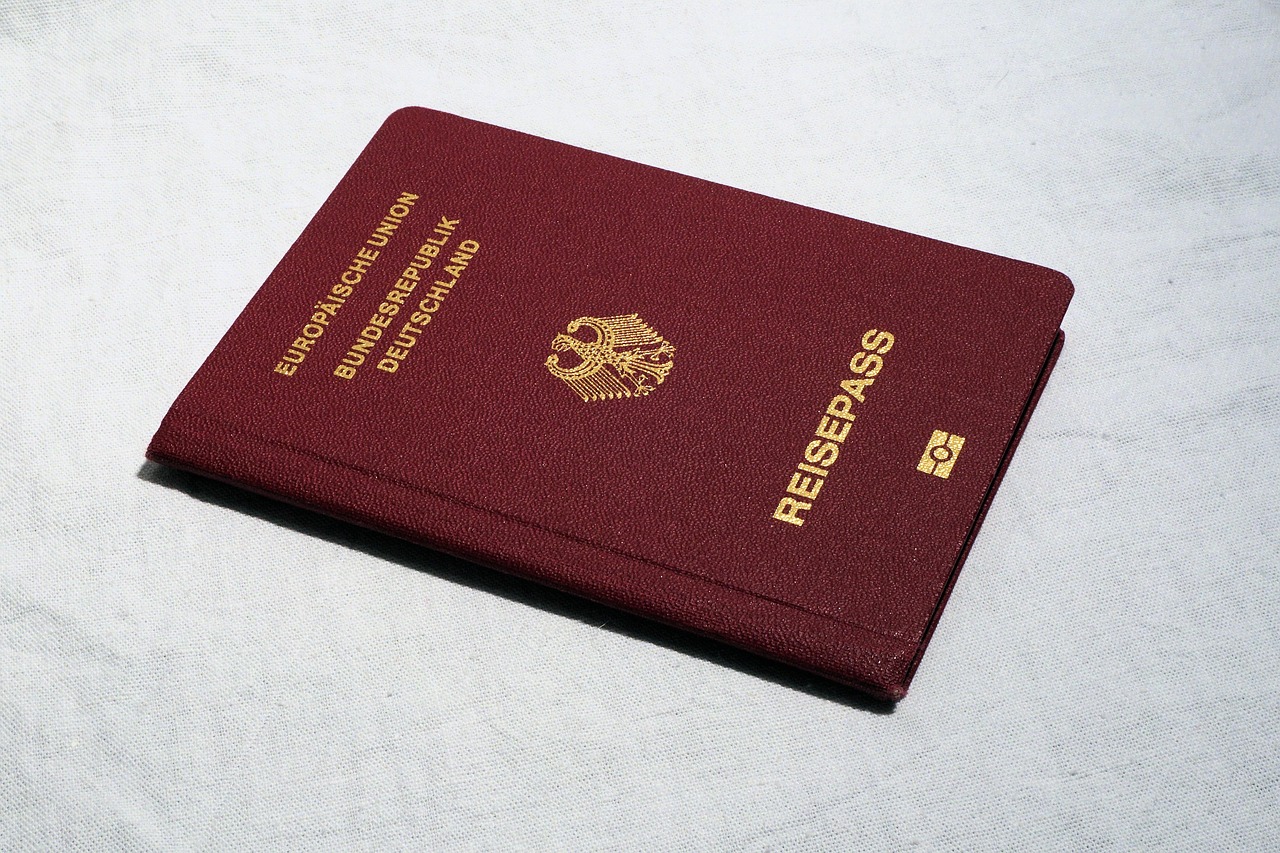
All international travellers to India must hold a valid passport. The following conditions apply:
- Your passport must be valid for at least 6 months beyond your intended date of departure from India.
- Your passport must have at least 2 blank pages available for entry/exit stamps.
- Passports must not be damaged, torn, water-damaged or have any pages removed.
- The name on your visa/eVisa application must exactly match the name in your passport.
- Emergency travel documents (ETDs) may not be accepted — check with your embassy.
Visa Requirements
Citizens of most countries can apply for an India eVisa online before travel. The eVisa system covers tourist, business, medical and conference visits.
- 166+ eligible nationalities
- Apply at least 4 days before travel
- Processing in 1–5 business days
- Valid for 30 days to 5 years
If you are not eligible for an eVisa, or need a longer/different type of visa, you must apply at your nearest Indian Embassy or High Commission.
- Required for nationalities not eligible for eVisa
- Long-term, student, employment visas
- Up to 5–15 working days processing
- Apply in person or by post
Citizens of Nepal and Bhutan do not require a visa to enter India and can enter freely for any length of time. Citizens of Maldives do not require a visa for stays of up to 90 days.
Pakistani nationals and nationals from certain other countries face additional restrictions. Please check the current requirements for your nationality with the Indian Embassy before travel.
Health Requirements
No vaccinations are officially required for entry to India unless you are arriving from a country where Yellow Fever is endemic. However, the following vaccinations are strongly recommended by health authorities:
- Hepatitis A and B
- Typhoid
- Tetanus / Diphtheria / Pertussis (Td/Tdap)
- Rabies (for longer stays or rural travel)
- Japanese Encephalitis (for rural/agricultural areas)
- Malaria prophylaxis (tablets) – recommended for most regions
Consult your doctor or a travel health clinic at least 6–8 weeks before departure.
Comprehensive travel health insurance is strongly recommended for all visitors to India. Medical facilities in major cities are generally good, but treatment can be expensive, especially if hospitalisation or medical evacuation is required. Ensure your policy covers:
- Emergency medical treatment and hospitalisation
- Medical evacuation/repatriation
- Cancellation and curtailment
- Personal liability
Tap water in India is not safe to drink. Always drink bottled or filtered water and be cautious with ice cubes, uncooked salads and street food from vendors with poor hygiene standards. Pack oral rehydration salts and basic medication for stomach issues.
Customs Regulations
| Category | Allowance | Notes |
|---|---|---|
| Alcohol | 2 litres (wine or beer) or 1 litre spirits | For personal consumption. Duty-free import. |
| Tobacco | 100 cigarettes or 25 cigars or 125g tobacco | For personal use only. |
| Currency | Up to INR 25,000 (Indian rupees) | Foreign currency over USD 5,000 (cash) or USD 10,000 (total) must be declared. |
| Gift Items | Up to INR 15,000 duty-free | Goods above this value must be declared and may attract customs duty. |
| Electronics | Personal items for own use | Professional/commercial equipment should be declared. Satellite phones need special permission. |
Prohibited Items
Items that are strictly forbidden from being brought into India
Narcotics & Drugs
All illegal drugs and narcotics are strictly prohibited. India has severe penalties including lengthy imprisonment.
Weapons & Ammunition
Firearms, ammunition, explosives and sharp weapons are prohibited without special permits.
Wildlife Products
Products made from protected animals (ivory, certain skins, turtle shells) are prohibited under CITES.
Certain Publications
Obscene or seditious material, and publications considered offensive to Indian national interests are prohibited.
Satellite Phones
Satellite phones require advance permission from the Department of Telecommunications of India.
Drones
Importing drones requires advance clearance from the Directorate General of Civil Aviation (DGCA).
Useful Arrival Tips
Allow Extra Time at Immigration
Indian airports are busy. Allow at least 2–3 hours for immigration, customs and baggage collection, especially at Delhi and Mumbai.
Print All Documents
Carry printed copies of your eVisa, hotel bookings and travel itinerary. Some immigration officers may request to see your onward travel arrangements.
Currency Exchange
Exchange some currency before leaving the airport. ATMs are available at all international airports. Avoid unlicensed money changers.
Official Taxis Only
Use only pre-paid taxis or officially licensed ride services from the airport. Avoid touts offering transport inside the terminal building.
Ready to Visit India?
Now that you know the entry requirements, let us help you plan your perfect India adventure.